50 Fascinating Facts About Dog Nose
Introduction:
Dogs are incredible creatures, and their noses are truly remarkable. From their acute sense of smell to their ability to detect diseases, a dog's nose is a powerful tool. In this blog post, we'll dive into the fascinating world of dog noses and uncover 50 incredible facts that will leave you in awe of these furry friends. So, let's embark on this olfactory adventure!
50 Fascinating Facts About Dog Noses: Exploring Canine Superpowers
1. Super Smellers: Dogs possess an estimated 300 million olfactory receptors, compared to our mere 6 million, enabling them to detect scents that are imperceptible to humans.
2. The Wet and Cold Nose: A dog's moist nose aids in capturing scent particles from the air, increasing their ability to analyze smells effectively.
3. Unique Nose Prints: Just like human fingerprints, a dog's nose print is unique to them, making it a reliable form of identification.
4. Nasal Moisturizer: Dogs have a specialized gland inside their noses that helps keep their nasal passages moist, allowing them to absorb scents more efficiently.
5. Sensory Overload: Dogs have the ability to separate and process different smells independently, allowing them to analyze multiple scents simultaneously.
6. Rhinarium: The technical term for the hairless, moist, and textured skin on a dog's nose is the rhinarium.
7. Sniffing Powerhouses: Dogs can detect certain odors in parts per trillion, making them exceptional at tracking missing persons, locating contraband, and identifying diseases.
8. Unique Odor Profiles: Dogs have the ability to recognize and remember the individual scent profiles of countless people and objects, aiding in search and rescue operations.
9. Dog "Nose Jobs": Some working dogs undergo rhinoplasty to repair or enhance their sense of smell after sustaining injuries or congenital defects.
10. The Jacobson's Organ: Located on the roof of a dog's mouth, the Jacobson's organ helps them analyze specific smells more effectively by "tasting" the air.
11. Scent Marking: Dogs use their noses to mark their territories by leaving small amounts of their scent through urine or glands located on their paws.
12. Different Scents, Different Reactions: Dogs have been trained to recognize and respond to specific smells, such as detecting narcotics, explosives, or even cancer.
13. The Sniff Walk: When dogs go for a walk, they gather a wealth of information from sniffing the ground and objects, creating a mental map of the neighborhood.
14. Dogs Can Smell Fear: Due to their heightened sense of smell, dogs can detect chemical changes in our bodies, including the release of stress-related hormones.
15. Doggy GPS: Canines have an impressive ability to find their way back home even when they are lost, relying on their sense of smell to navigate.
16. The Snuffle Mat: A snuffle mat is a sensory-rich toy that stimulates a dog's sense of smell, encouraging them to sniff out hidden treats or kibble.
17. Nosework Games: Engaging in nosework games with your dog, such as scent detection or hiding toys, can provide mental stimulation and strengthen your bond.
18. Tracking Champions: Tracking is a competitive dog sport where canines demonstrate their incredible scent-tracking abilities by following a scent trail.
19. Dogs as Medical Detectives: Some trained dogs can detect subtle changes in human body odor, enabling them to identify diseases like cancer, diabetes, and seizures.
20. An Air Conditioning System: Dogs regulate their body temperature by panting, but they also use their noses to cool down by sniffing the air, helping to dissipate heat.
21. Sniffing Out Bedbugs: Canines are employed to detect bedbug infestations in homes and hotels, thanks to their ability to pick up the unique scent of these pests.
22. Scented Snacks: Dogs' noses are so sensitive that even a small trace of scent on your hands can make them think you have a tasty treat for them.
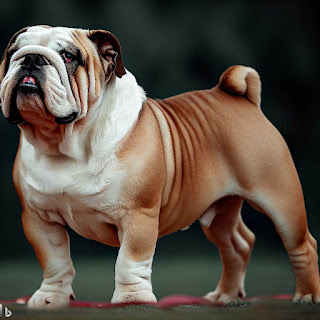
23. Different Snout Shapes: Dogs come in various shapes and sizes, and their snout shape often influences their scent-detection abilities.
24. Bloodhound Detectives: Bloodhounds are renowned for their exceptional tracking skills and are often used by law enforcement agencies to locate missing persons.
25. Smelling Emotions: Research suggests that dogs can detect human emotions by sniffing specific chemical signals produced when we experience different feelings.
26. Nose-to-Nose Greetings: When dogs meet, they often greet each other by sniffing the nose and anal area, which provides valuable information about the other dog's identity and emotional state.
27. Wet Nose, Better Scent: A dry nose doesn't necessarily indicate illness in a dog, but a moist nose can improve their scent-detection abilities.
28. Snout Moisturizers: In dry or cold weather, applying a dog-safe moisturizer to your pup's nose can help prevent cracking and keep it supple.
29. Whiskers and the Nose: Whiskers on a dog's face, particularly those around the nose, assist them in navigating their surroundings and detecting subtle air currents.
30. No Two Noses Alike: Just as each dog has a unique nose print, their sense of smell is also individual, with some breeds exhibiting more acute olfactory abilities.
31. Cooling Down: Dogs use their noses to cool down by inhaling and exhaling quickly, allowing air to flow over the moist surface of their nasal passages.
32. Nose in the Snow: Dogs can breathe comfortably in extremely cold temperatures because their noses warm up the air they inhale before it reaches their lungs.
33. Sniffing Out Allergies: Specially trained dogs can detect allergens in the environment, alerting their owners to potential triggers and improving their quality of life.
34. Canine Scentscapes: Dogs experience the world through their noses, creating a rich tapestry of scents that we can only begin to imagine.
35. Enhanced Night Vision: Dogs have a specialized layer of cells behind their retinas called the tapetum lucidum, which reflects light and enhances their night vision.
36. Keeping Clean: Dogs frequently lick their noses not just to keep them clean but also to sample and analyze scents.
37. Truffle Hunters: Certain dog breeds, like the Lagotto Romagnolo, are highly skilled at locating elusive truffles due to their exceptional sense of smell.
38. Sniffing During Sleep: Even when dogs are asleep, their noses are still at work, processing smells and alerting them to any potential dangers.
39. Nose Artistry: Dogs leave their scent on objects as a form of communication, informing other dogs of their presence, status, and reproductive availability.
40. Pheromone Communication: Dogs release pheromones through their noses, which convey messages about their emotions, reproductive status, and territorial boundaries.
41. Scented Therapy: Aromatherapy using essential oils can have a calming effect on dogs, promoting relaxation and reducing anxiety.
42. Sniffing Out Mold: Mold detection dogs are trained to locate mold in buildings, preventing potential health hazards and ensuring a safe environment.
43. Sniffing Speed: Dogs can sniff up to five times per second, allowing them to process an incredible amount of olfactory information quickly.
44. Scent-Triggered Memories: A dog's strong sense of smell is closely linked to memory, and certain scents
can evoke powerful emotions and associations.
45. Dogs and Drug Detection: Dogs have played a crucial role in sniffing out drugs at airports, seaports, and border crossings, aiding law enforcement efforts.
46. Scent Discrimination: Dogs can discriminate between identical twins based on their unique scents, demonstrating the incredible precision of their sense of smell.
47. Canine Nose Art: Dogs possess a scent-detection area in their brains that is proportionally 40 times larger than ours, further emphasizing their olfactory prowess.
48. Scent Tracking in Water: Some dog breeds, like the Newfoundland, are excellent at scent tracking in water, making them valuable assets in water rescues.
49. Cultural Nose Prints: In ancient civilizations, such as Ancient Egypt, dogs' nose prints were used to identify individual canines and differentiate them from others.
50. Lifesaving Sniffers: From locating earthquake survivors to detecting medical conditions, dogs' extraordinary sense of smell has saved countless lives throughout history.
Conclusion:
Dogs' noses are truly extraordinary, granting them the ability to perceive the world in a way that is far beyond our human comprehension. Their olfactory powers enable them to detect scents, track down missing persons, identify diseases, and so much more. Next time you see a dog intently sniffing the ground, take a moment to appreciate the incredible superpower that lies within their nose. Our furry friends truly are the ultimate scent detectives and deserving of our awe and admiration.


.jpg)
Comments
Post a Comment